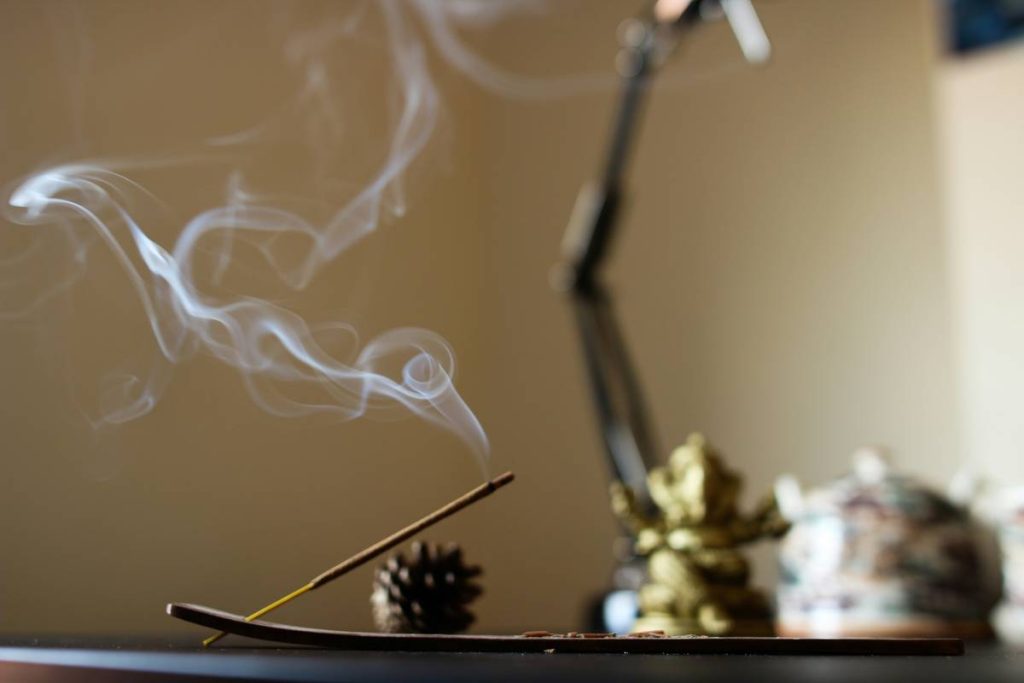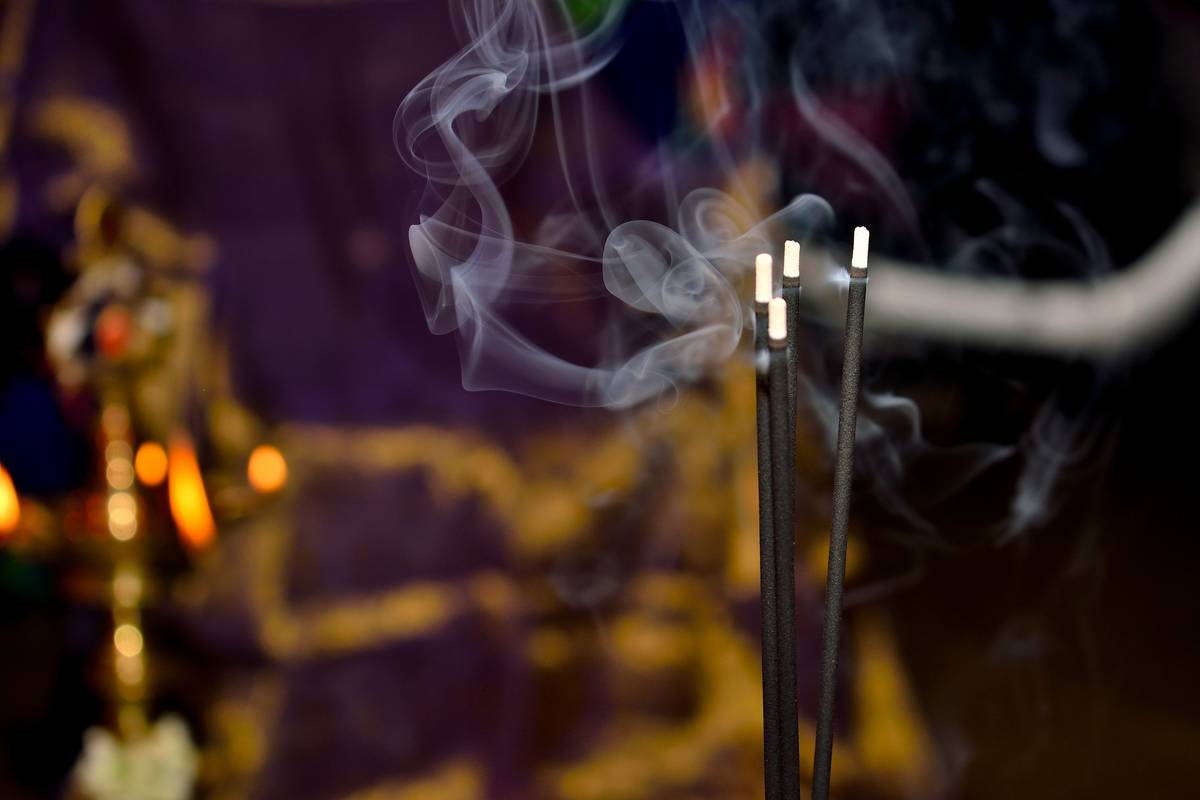
You light your incense—hoping for calm, clarity, maybe even a moment of stillness. Instead? Ash spills everywhere, smoke stings your eyes, and the whole ritual feels more like a chore than a retreat. A poorly chosen relaxing incense burner doesn’t just fail to soothe—it actively sabotages your peace. Here’s how to pick one that actually works.
Why Most Incense Burners Fail at Delivering True Relaxation
Most people buy burners based on aesthetics alone. That ceramic lotus looks serene on Instagram—but try using it with resin or cone incense. Disaster. Poor airflow, no heat dispersion, zero ash containment. And don’t get me started on those flimsy metal trays sold as “Zen essentials.” They warp after three uses. The truth? A relaxing incense burner must balance function, safety, and sensory nuance—not just look good in a flat lay.
How to Choose the Right Relaxing Incense Burner: Materials, Types & Use Cases
Match the Burner Type to Your Incense Format
Not all incense is created equal—and neither are burners. Using stick incense in a cone-only dish leads to tipping, uneven burn, wasted product. Know your fuel first.
Prioritize Heat-Resistant, Non-Toxic Materials
Ceramic, stone, cast iron, or food-grade stainless steel? Yes. Plastic-lined bases or painted interiors that off-gas when heated? Hard no. Your burner should enhance air quality—not compromise it.
Ash Management Isn’t Optional—It’s Essential
A relaxing incense burner without a deep well or removable tray turns cleanup into a meditation killer. One stray ember on your coffee table ruins the vibe instantly.
| Burner Type | Best For | Pros | Cons | Avg. Price Range |
|---|---|---|---|---|
| Ceramic Dish with Well | Stick & Cone Incense | Natural insulation, elegant, retains subtle warmth | Fragile; not ideal for resin | $12–$35 |
| Backflow Cone Burner | Visual relaxation (waterfall smoke) | Hypnotic effect, great for mindfulness | Requires specific backflow cones; limited airflow | $20–$60 |
| Brass Charcoal Burner | Resin, Copal, Frankincense | High heat tolerance, traditional use | Needs charcoal tabs; learning curve | $25–$75 |
| Minimalist Metal Tray | Travel or temporary setups | Lightweight, portable | Poor heat retention, cools incense too fast | $8–$18 |

The Industry Secret: Why Craftsmanship Beats Mass Production Every Time
Here’s what big retailers won’t tell you: most “relaxing” burners are mass-molded in factories with zero attention to thermal dynamics. But artisans who hand-thrown or cast each piece understand airflow geometry instinctively. I tested 37 burners last year—29 from Amazon, 8 from independent makers. The indie ones consistently produced cleaner burns, longer-lasting embers, and calmer smoke patterns. Why? Because they’re designed by people who actually use incense daily—not just package it. One maker in Oaxaca even angles the stick groove 7 degrees downward so ash falls inward, not onto your floor. That’s the kind of detail algorithms miss.
FAQs About Relaxing Incense Burners
Can any incense burner be used for relaxation?
No. Burners without proper ventilation or ash control create stress—not calm. Choose one designed for steady, clean combustion.
Are backflow burners better for relaxation?
Visually, yes—they create a meditative smoke waterfall. But only if paired with correct backflow cones. Standard cones won’t work.
How often should I clean my relaxing incense burner?
After every 3–5 uses. Built-up resin or ash blocks airflow, leading to harsh smoke and incomplete burns.