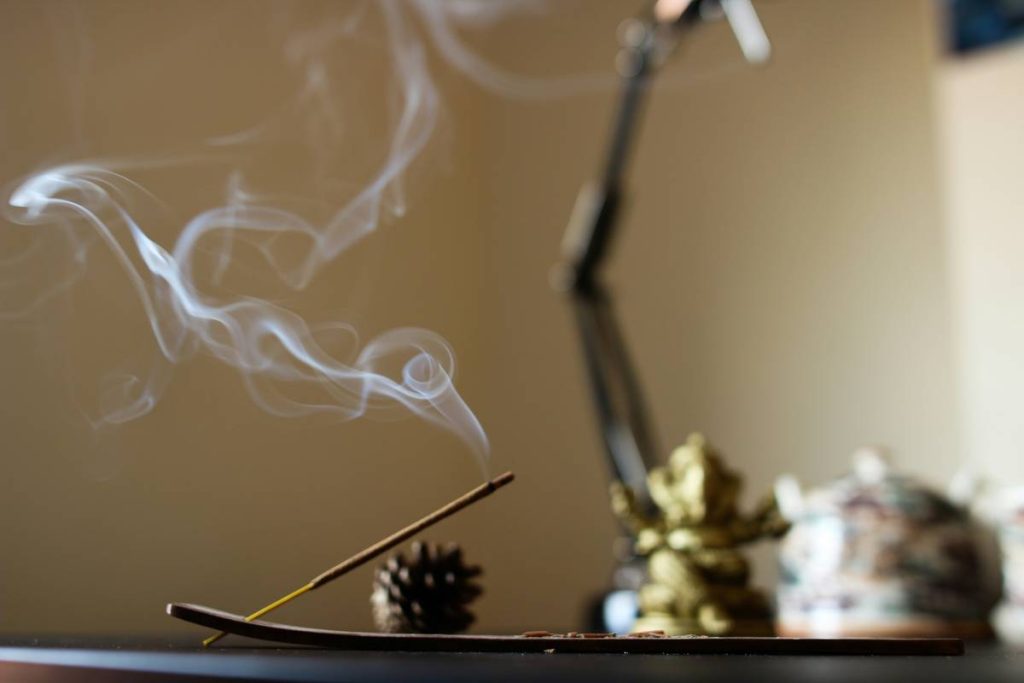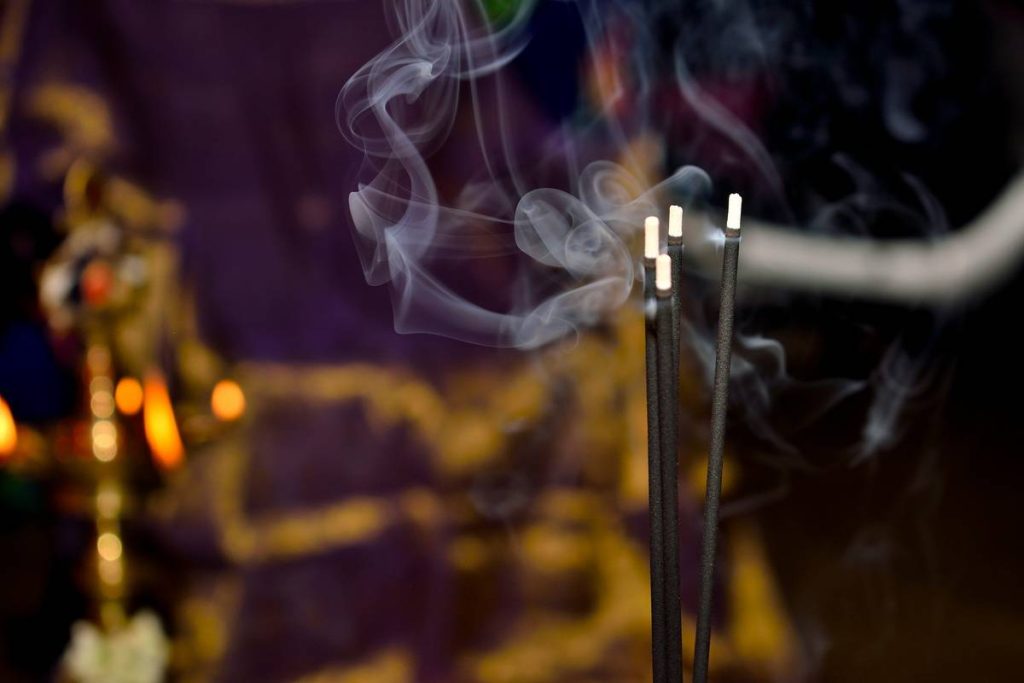
You’ve lit the candles. You’ve rolled out the mat. You’ve even silenced your phone. Yet something’s still missing. That deep sense of calm? Elusive. The air feels flat—emotionally sterile. Here’s the reality: scent bypasses logic and speaks directly to your nervous system. A meditation incense burner isn’t decoration. It’s a silent conductor of atmosphere.
Most Incense Burners Sabotage Your Practice (Without You Realizing)
Generic burners flood the room with acrid smoke—triggering coughs, not clarity. Ceramic bowls with no airflow trap heat, causing uneven burning and wasted resin. And let’s be honest: many look like forgotten ashtrays from 1997. Worse, they release synthetic fragrances that spike cortisol instead of lowering it. You’re not relaxing—you’re inhaling stress disguised as sandalwood.
And if the burner’s design doesn’t support slow, steady combustion? You get bursts of overpowering aroma followed by nothing. Total sensory whiplash.
Choosing & Using Your Meditation Incense Burner the Right Way
Forget “just lighting a stick.” Precision matters. Follow these steps—not for ritual’s sake, but for neurological impact.
Pick Material Based on Burn Type
Resin lovers need heat-resistant brass or cast iron—thin ceramics crack under ember temperatures. Stick users? Go for wide-mouthed stoneware with ventilation slits. Coil burners demand deep, stable bases to prevent tipping during long sessions.
Match Scent to Intention (Not Mood)
Frankincense for focus. Palo santo for emotional release. Vetiver for grounding. Don’t choose “what smells nice.” Choose what serves your practice’s purpose today. Your olfactory bulb doesn’t care about aesthetics—it responds to chemical signals.
Control Airflow Like a Pro
Place your burner near—but not in—drafts. Too much airflow = bitter smoke. Too little = suffocating concentration. Test by holding your palm 12 inches above the burner: you should feel gentle warmth, not a breeze.
| Burner Type | Best For | Smoke Control | Avg. Price Range |
|---|---|---|---|
| Brass Resin Burner (with charcoal tray) | Frankincense, Myrrh, Copal | High (adjustable via ember depth) | $25–$60 |
| Ventilated Stoneware Stick Holder | Natural bamboo-core incense sticks | Medium (depends on room airflow) | $18–$40 |
| Ceramic Coil Basin (deep-well) | Hourglass coils, temple-style burns | Low (requires still air environment) | $20–$35 |
The Industry Secret: Smoke Is Secondary—It’s About Thermal Signaling
Here’s what nobody tells you: the smoke isn’t the magic. It’s the consistent, low-temperature thermal plume rising from the burner. This subtle heat column creates convection currents that carry aromatic molecules deep into your nasal passages—activating the limbic system within seconds. High-end spas don’t just burn incense; they engineer microclimates. A well-designed meditation incense burner maintains ember temps between 400–500°F—hot enough to volatilize terpenes, cool enough to avoid benzene byproducts. Most mass-market burners? They swing wildly between 300°F and 700°F. No wonder you feel off.
Think about it: your ancestors didn’t measure ppm of limonene. But they knew instinctively—a slow, steady glow beats a puff of theatrical smoke every time.
Frequently Asked Questions
Can any incense burner be used for meditation?
No. Meditation demands clean, consistent aroma diffusion. Avoid burners made with leaded glazes or plastic components—they off-gas toxins when heated, disrupting mental clarity.
How often should I clean my meditation incense burner?
After every 3–5 uses. Ash buildup insulates the base, causing uneven heating. Use a dry brush—never water on hot ceramic or metal.
Does the shape of the burner affect the experience?
Absolutely. Wide, shallow bowls disperse scent too quickly. Tall, narrow chambers concentrate it—ideal for focused breathwork. Choose based on room size and practice length.