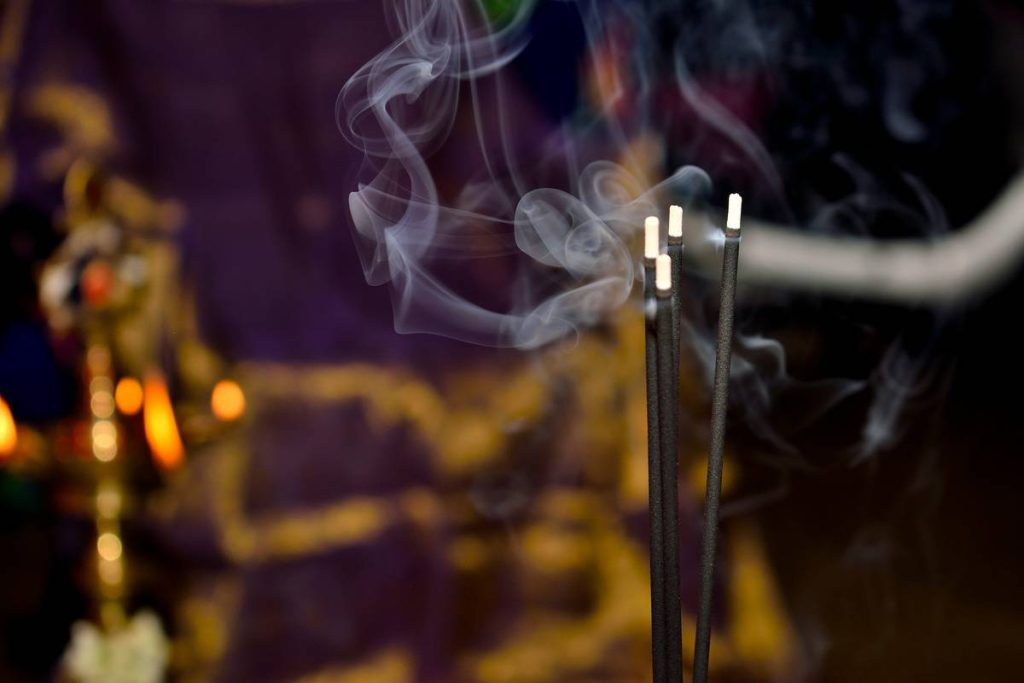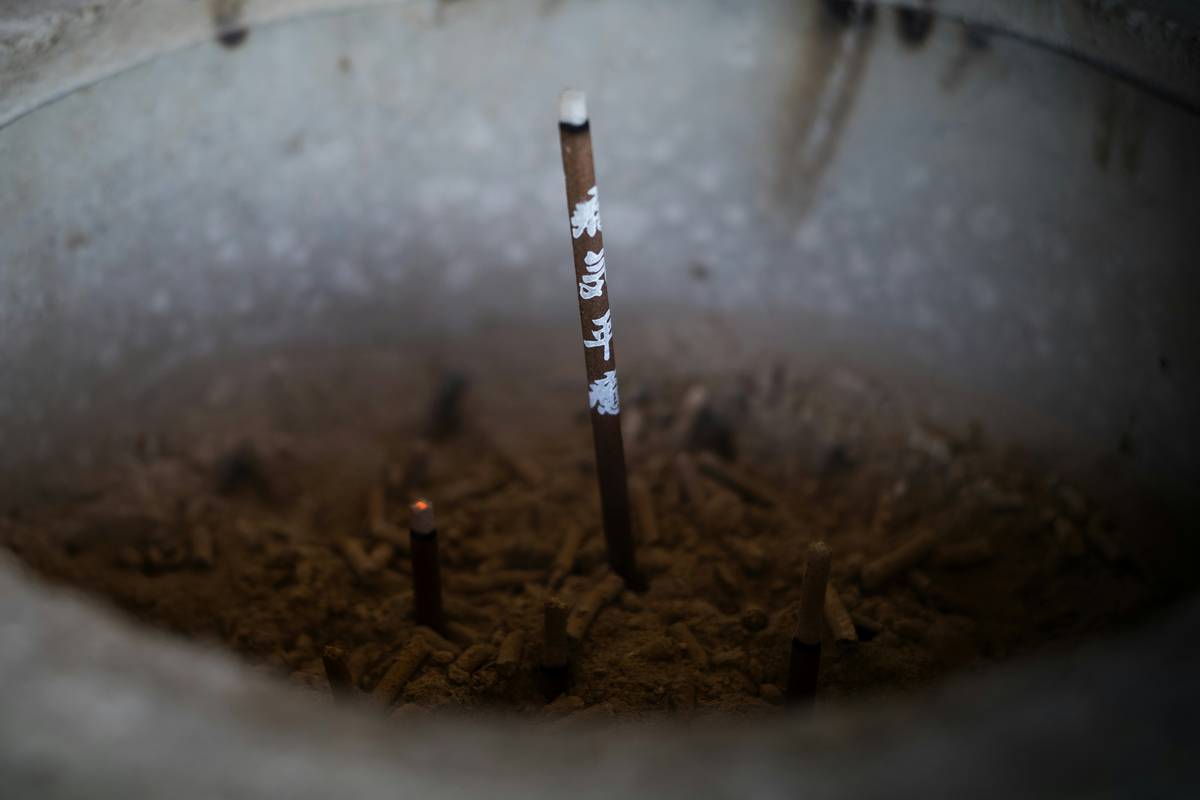
Ever walked into a room and instantly felt calmer—just from the scent lingering in the air? That’s the quiet magic of burning incense at home. But if you’ve ever woken up to a charred coaster or choked on acrid smoke because your backflow cone wouldn’t behave, you know it’s not all zen. I once melted a $40 ceramic burner by placing it directly on a wooden shelf—lesson learned the smoky way. In this guide, we’ll cover everything from safe setup to choosing the right fragrances, so you can enjoy aromatic calm without the cleanup (or fire department visits).
Table of Contents
- Why Burning Incense at Home Matters in Modern Living
- Step-by-Step Guide to Safe & Effective Incense Use
- 5 Best Practices for Long-Lasting Fragrance & Safety
- Real Results: How Homeowners Transformed Their Spaces
- Frequently Asked Questions
Key Takeaways
- Always use heat-resistant surfaces and never leave burning incense unattended.
- Natural resins like frankincense burn cleaner than synthetic cones.
- Ventilation is non-negotiable—poor airflow can concentrate pollutants.
- Match burner type (cone, stick, coil) to your lifestyle and space size.
- Regular cleaning prevents ash buildup and maintains scent purity.
Why Burning Incense at Home Matters in Modern Living
In today’s fast-paced world, creating a sanctuary at home isn’t just nice—it’s necessary. Burning incense at home taps into ancient traditions of mindfulness while offering modern stress relief. According to the Environmental Protection Agency (EPA), indoor air quality can be 2–5 times worse than outdoor air, and certain natural incense types may help mask odors without adding harmful VOCs—if used correctly.
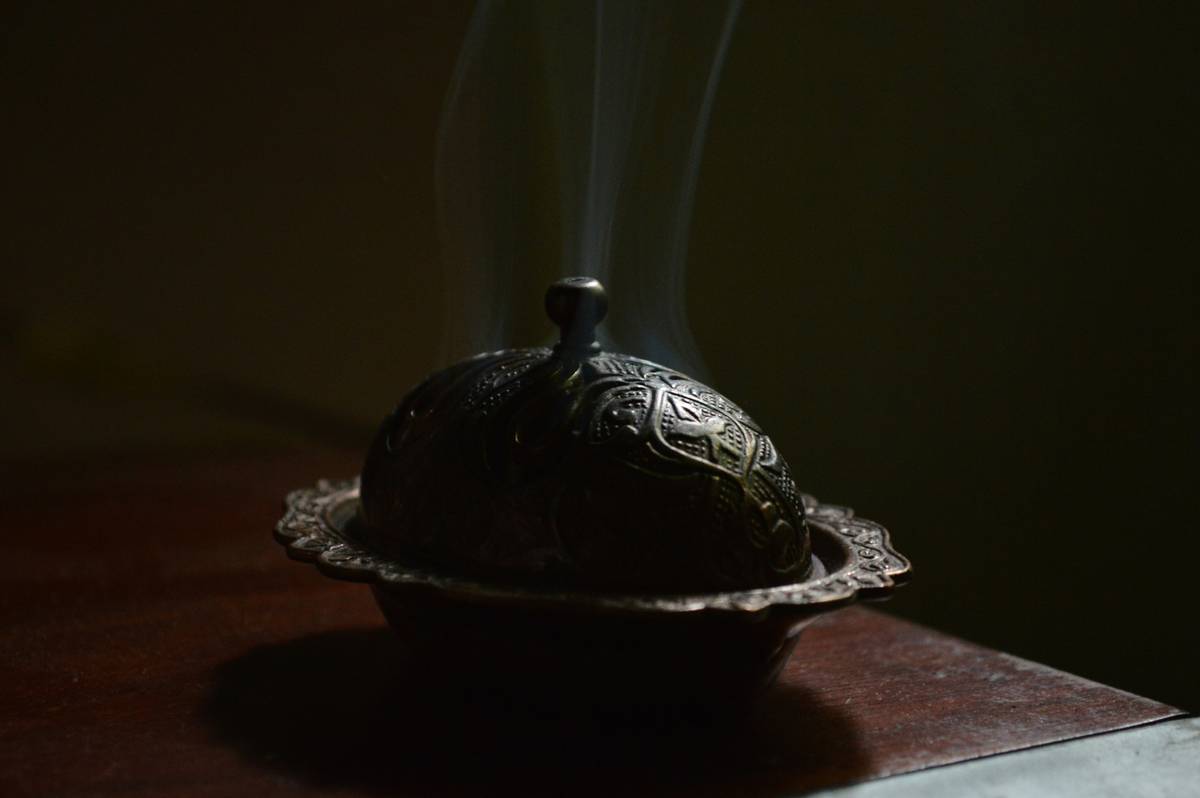
But here’s my rant: Why do so many “aesthetic” incense burners on social media skip safety entirely? Glass dishes, paper trays, floating shelves with zero heat protection—it’s a fire hazard dressed as decor. At Relic Channel, we prioritize both beauty and responsibility, which is why we always test materials for thermal resistance before recommending them (learn more about our mission on our About Us page).
Step-by-Step Guide to Safe & Effective Incense Use
Choose Your Incense Type
Sticks are beginner-friendly; cones offer stronger scent throw; coils last hours. Resin-based incense (like myrrh or copal) requires charcoal discs but delivers purer aromas with fewer additives.
Prep Your Space
Pick a stable, non-flammable surface—a stone coaster, metal tray, or dedicated ceramic burner. Keep away from curtains, bedding, or anything that says “flammable” on the label.
Light It Right
For sticks: Light the tip, let it flame for 5 seconds, then gently blow it out. For cones: Same method, but ensure the base is fully seated in sand or ash to prevent tipping. Never rush this step—I’ve seen too many singed eyebrows from impatient lighting!
Monitor & Extinguish
Never leave burning incense unattended. To extinguish, snuff it out in sand or press it into ash—don’t blow hard, which can scatter embers. And please, don’t douse it in water unless it’s an emergency; that ruins reusable burners.
5 Best Practices for Long-Lasting Fragrance & Safety
- Ventilate: Crack a window or run an air purifier. The World Health Organization notes that prolonged exposure to incense smoke in poorly ventilated rooms may irritate airways—especially for asthmatics.
- Clean Weekly: Ash buildup insulates heat, causing uneven burns. Use a soft brush to clear residue.
- Store Properly: Keep unused incense in airtight containers away from sunlight to preserve essential oils.
- Avoid This Terrible Tip: “Just burn whatever’s cheapest!” Synthetic fragrances often contain phthalates linked to endocrine disruption (EPA source). Invest in natural options.
- Match Burn Time to Routine: A 45-minute meditation? Use a stick. All-day ambiance? Try a slow-burning coil.
Real Results: How Homeowners Transformed Their Spaces
Sarah K., a yoga instructor from Portland, switched from synthetic cones to organic sandalwood sticks after noticing headaches during evening sessions. Within a week, her symptoms vanished—and her students started asking where she got “that calming forest scent.” Similarly, Mark T. in Austin replaced his flimsy wire holder with a cast-iron backflow burner. Not only did his incense last 30% longer due to better airflow, but he also stopped worrying about melting his antique desk. These aren’t miracles—they’re outcomes of informed choices around burning incense at home.
Frequently Asked Questions
Is burning incense at home bad for your lungs?
When done responsibly—with ventilation and natural ingredients—it’s generally safe for most people. However, those with respiratory conditions should consult a doctor and consider alternatives like essential oil diffusers.
How often should I clean my incense burner?
After every 3–5 uses, or whenever ash accumulates beyond ¼ inch. Buildup traps moisture and weakens ceramic over time.
Can I reuse incense ashes?
Yes! Some gardeners mix cooled ash into soil as a mild pH balancer. Just ensure no synthetic additives were burned.
What’s the safest material for an incense holder?
Ceramic, stone, cast iron, or thick glass rated for high heat. Avoid thin glass, plastic, or wood surfaces.
Does burning incense purify the air?
While it masks odors effectively, incense doesn’t “clean” air like a HEPA filter. For true purification, pair it with mechanical ventilation.
Where can I learn more about your product standards?
We detail our material sourcing and safety testing on our About Us page. Have specific questions? Reach out anytime via our Contact Us form—we reply within 24 hours. (And yes, we read every message; see our Privacy Policy for how we handle your data.)
So light that stick, place that cone, breathe deep—but do it wisely. Because peace shouldn’t come with a side of panic. Or melted furniture.