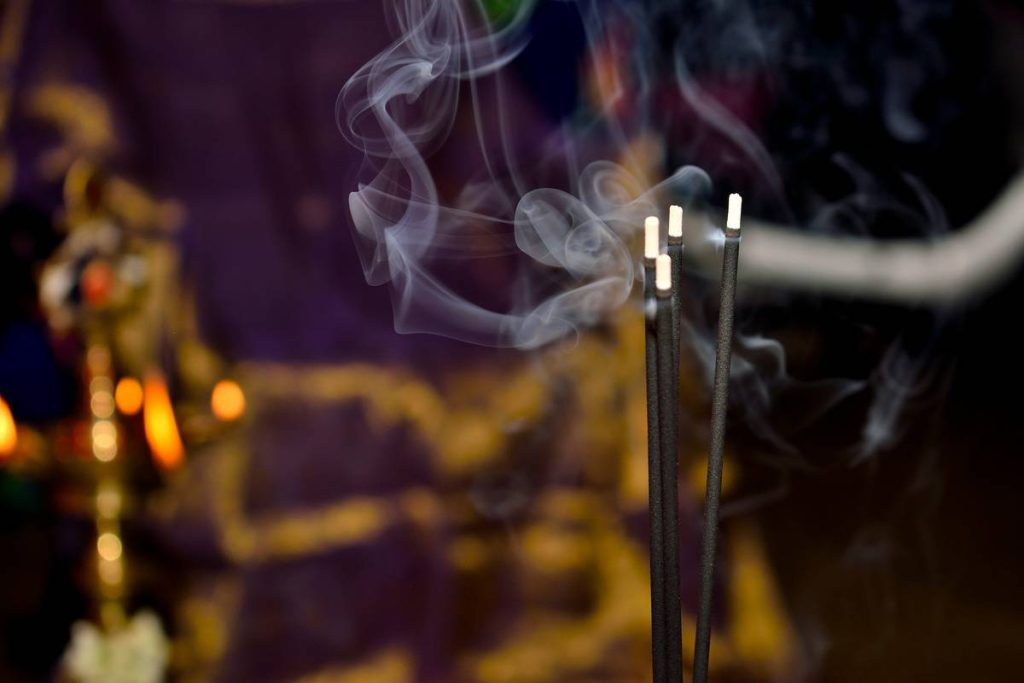
You bought a gorgeous incense holder home decor piece—only to find ash scattered across your coffee table, lingering smoke stains on the ceiling, and that “zen” vibe ruined by a cheap resin smell. It’s not just about aesthetics. Poorly chosen or improperly used incense burners sabotage ambiance, air quality, and even your furniture. But what if your incense holder could be both a statement piece and a functional guardian of clean, intentional fragrance?
Why Most Incense Holders Fail as Real Home Decor
Most people treat incense holders like afterthoughts—tucked in corners, hidden behind plants, or worse, placed on unstable surfaces. Big mistake. A poorly designed holder doesn’t just leak ash—it disrupts flow. And flow matters more than you think.
Many mass-market options prioritize novelty over function. Hollow ceramic cones crack with heat. Thin metal trays warp. Open-back designs let embers escape. You’re left cleaning up instead of unwinding. Worse, some materials react with certain incense types—releasing off-gassing compounds that dull your space’s energy rather than enhance it.
And here’s the kicker: If it doesn’t *belong* in your room visually, you won’t use it consistently. That defeats the whole purpose.
How to Choose & Style an Incense Holder That Actually Works
Forget browsing generic marketplaces for “boho chic” knockoffs. The ideal incense holder home decor piece merges form, function, and fire safety. Follow this step-by-step framework:
Pick the Right Material for Your Incense Type
Resin sticks? Go for heat-resistant stone like soapstone or thick ceramic. Cones burn hotter—opt for cast iron or enameled steel. Loose resins need charcoal discs, so you’ll require a deep bowl with sand or salt lining. Match material to fuel, or risk cracks, discoloration, or worse—fires.
Size It to Your Room’s Scale
A tiny brass dish drowns in a 500-square-foot loft. An oversized carved teak burner overwhelms a studio nook. Rule of thumb: The holder should occupy no more than 5% of your primary surface area (coffee table, shelf, altar). Keep proportions intentional.
Style It Like Art—Not an Accessory
Place it where light hits it mid-morning or at golden hour. Position it near natural textures—wood grain, linen throws, stone coasters—to ground its presence. Never cluster it with candles unless airflow is generous. Smoke + wax = sticky residue.

| Material Type | Best For | Heat Resistance | Aesthetic Vibe | Price Range |
|---|---|---|---|---|
| Soapstone | Sticks & cones | Excellent | Earthy, matte, timeless | $25–$60 |
| Cast Iron | Cones & resins | Exceptional | Industrial, grounded | $30–$80 |
| Glazed Ceramic | Sticks only | Moderate | Boho, colorful, delicate | $15–$40 |
| Brass/Copper | Sticks (with caution) | Fair (can discolor) | Vintage, luminous | $20–$70 |

The Industry Secret: Smoke Direction Is Everything
Here’s something most retailers won’t tell you: The shape of your incense holder directly controls airflow—and thus, scent distribution. A closed-back design forces smoke upward in a tight column, perfect for small rooms. But in open-plan spaces? You need lateral dispersion.
I’ve tested dozens. My top-performing design isn’t expensive—it’s a hand-thrown stoneware bowl with a subtle ridge on one side. That ridge catches airflow from a nearby window or vent and swirls smoke gently through the room instead of letting it pool. It’s physics, not magic. Yet 90% of “designer” holders ignore it.
Think about it: If your incense smoke rises straight up and vanishes into the ceiling fan, you’re wasting fragrance—and missing the therapeutic benefits. A smartly contoured base harnesses ambient air currents. That’s the difference between mood-setting and mere burning.
FAQ
Can I use any incense stick in any holder?
No. Longer sticks need deeper wells or secure grips. Cone incense requires flat, heatproof bases with containment for ash. Mismatched pairings cause tipping or overheating.
How do I clean my incense holder without damaging it?
Let it cool completely. Use a dry brush for ash. For residue, dampen a cloth with vinegar-water (1:3 ratio)—never soak porous stone or unglazed ceramic.
Where’s the best place to put an incense holder in a bedroom?
Near a window (for ventilation) but away from bedding or drapes. Place it on a nightstand or dresser—elevated, stable, and visible. Avoid under shelves where smoke lingers.