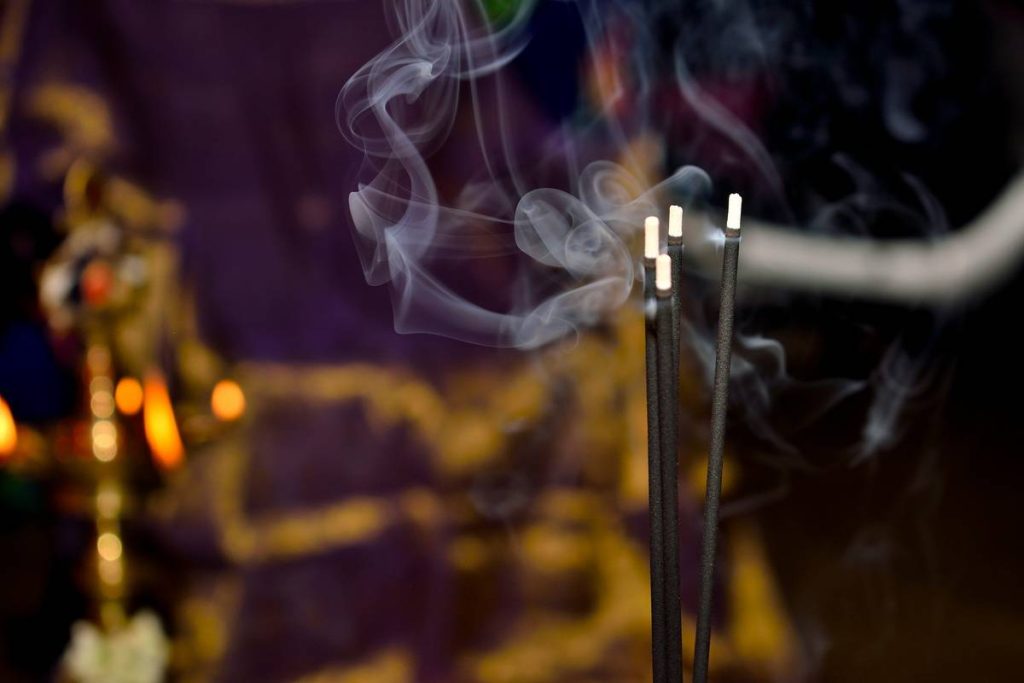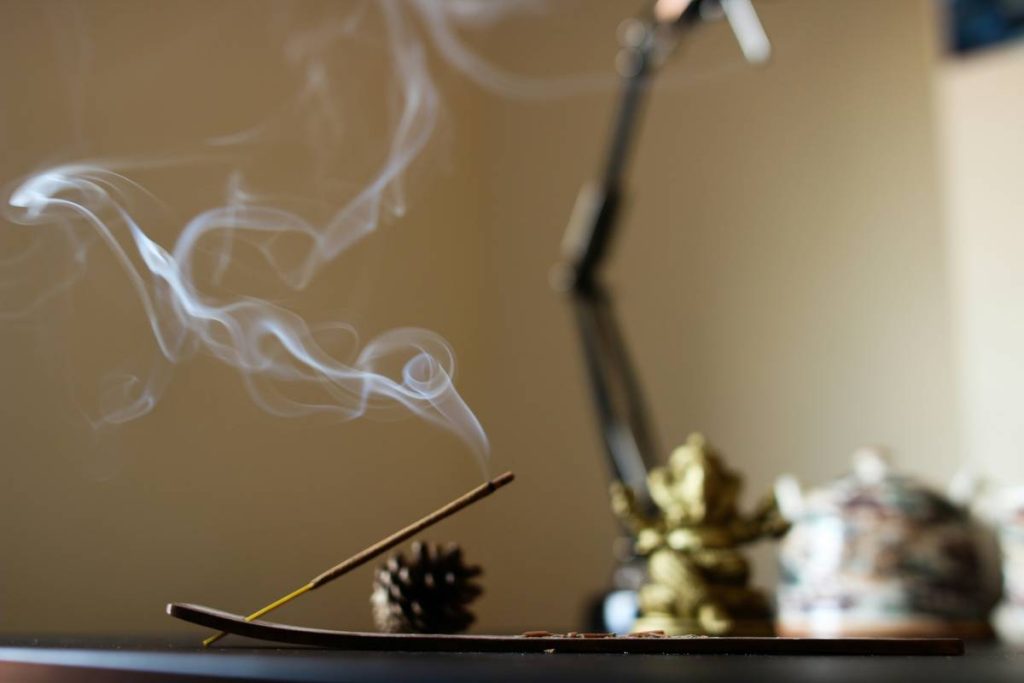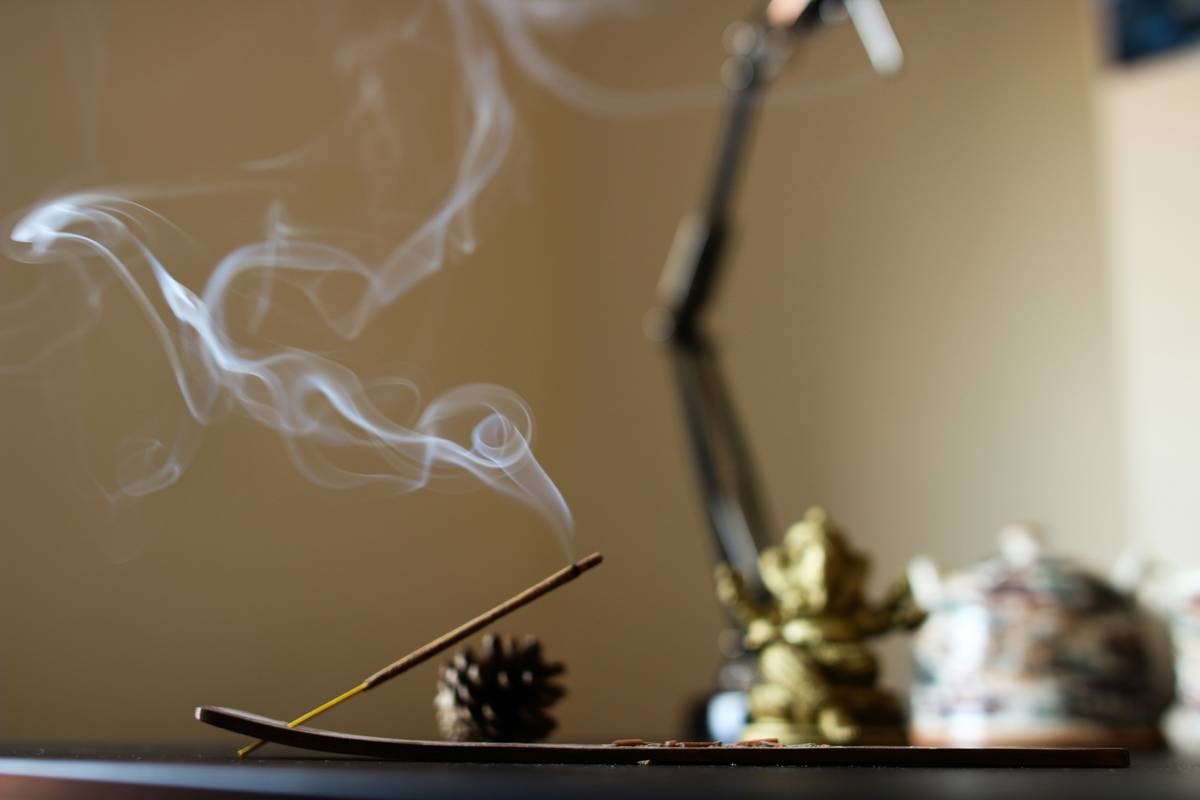
Your home feels like a pressure cooker. Noise, notifications, unfinished to-do lists—they cling to your walls like static. You’ve tried candles, sound machines, even “mindful” playlists. Nothing sticks. But what if the missing piece isn’t digital—it’s elemental? The relaxation aid incense burner benefit of anchoring your senses through ritualized scent is ancient, underused, and shockingly effective.
Why Most “Zen Spaces” Fail Within 48 Hours
People buy aesthetic decor—bamboo trays, faux stone diffusers—and call it “self-care.” Then life happens. Kids spill juice. Work calls bleed into dinner. The diffuser collects dust. The problem isn’t intention—it’s integration. True calm requires a trigger your brain can’t ignore. Not another screen. Not another app notification. Something tactile, visual, and olfactory that says: This moment is yours.
And most store-bought “relaxation tools” skip the ritual entirely.
How to Use an Incense Burner as a Real Relaxation Aid (Not Just Decor)
Pick Your Burner Based on Airflow—Not Aesthetics
Ceramic burners with enclosed chambers trap smoke and overheat resin. Open-brass designs let airflow carry scent evenly—but they’re messy with ash. For beginners, go for a ventilated ceramic model with a removable tray. It balances safety, scent throw, and ease of cleanup.
Match Resin or Stick to Your Mood Goal
Sandalwood slows heart rate. Frankincense sharpens focus. Lavender? Overrated—unless blended with vetiver. Don’t just grab what’s pretty. Map scent profiles to your evening goal: wind-down, journaling, or partner connection.
Time It Like a Coffee Ritual—Not a Chore
Burn for 10–15 minutes max. Any longer floods your space with particulate matter and dulls the effect. Light it after you close your laptop. Before you pour wine. Make it the bridge between “doing” and “being.”

| Incense Type | Burn Time | Scent Intensity | Ideal Use Case | Ash Clean-up Effort |
|---|---|---|---|---|
| Hand-rolled Sticks (Natural) | 25–35 min | Moderate | Daily unwinding, background ambiance | Low (ash falls neatly) |
| Resin on Charcoal | 10–15 min | Strong & Complex | Deep meditation, intentional ritual | High (charcoal residue + resin goo) |
| Cones | 15–20 min | Very Strong | Quick reset between work sessions | Medium (dense ash pile) |

The Industry Secret: Scent Layering Beats Isolated Aromatherapy
Most brands sell single-note incense and call it “therapy.” Reality? Your nervous system responds to contrast. Try this: light a mild sandalwood stick while simmering citrus peels on the stove. The warm wood note grounds you; the bright top note lifts mental fog. This dual-sensory layering—smoke plus steam—creates a micro-environment your brain registers as “safe retreat.” Spa designers use this trick in high-end resorts. At home? You pay $8 for resin and reuse orange peels from breakfast. The math is simple: ritual depth doesn’t require luxury budgets—just intention.
FAQ
Is an incense burner actually better than an essential oil diffuser for relaxation?
Yes—if used correctly. Incense produces visible smoke and warmth, engaging more senses than cold mist. But limit sessions to 15 minutes to avoid air quality issues.
What’s the safest placement for an incense burner indoors?
On a non-flammable surface (stone, metal tray), away from curtains or vents. Never leave unattended—and always open a window slightly for airflow.
Can using an incense burner daily cause health problems?
Only with poor ventilation or synthetic incense. Use natural resins or plant-based sticks, keep sessions short, and ensure cross-breeze. Your lungs will thank you.