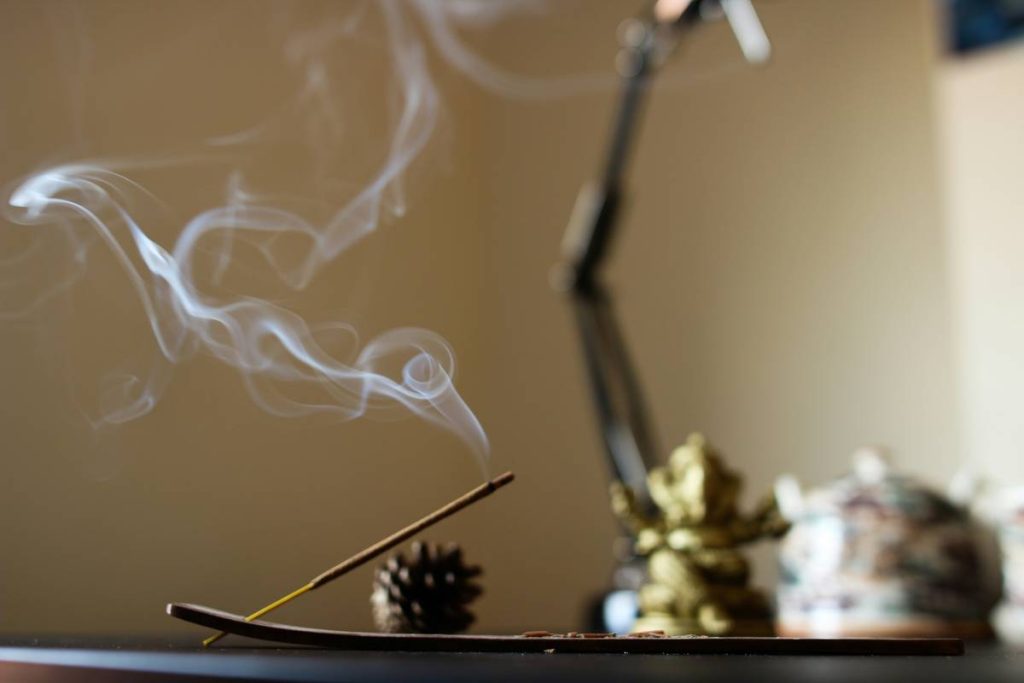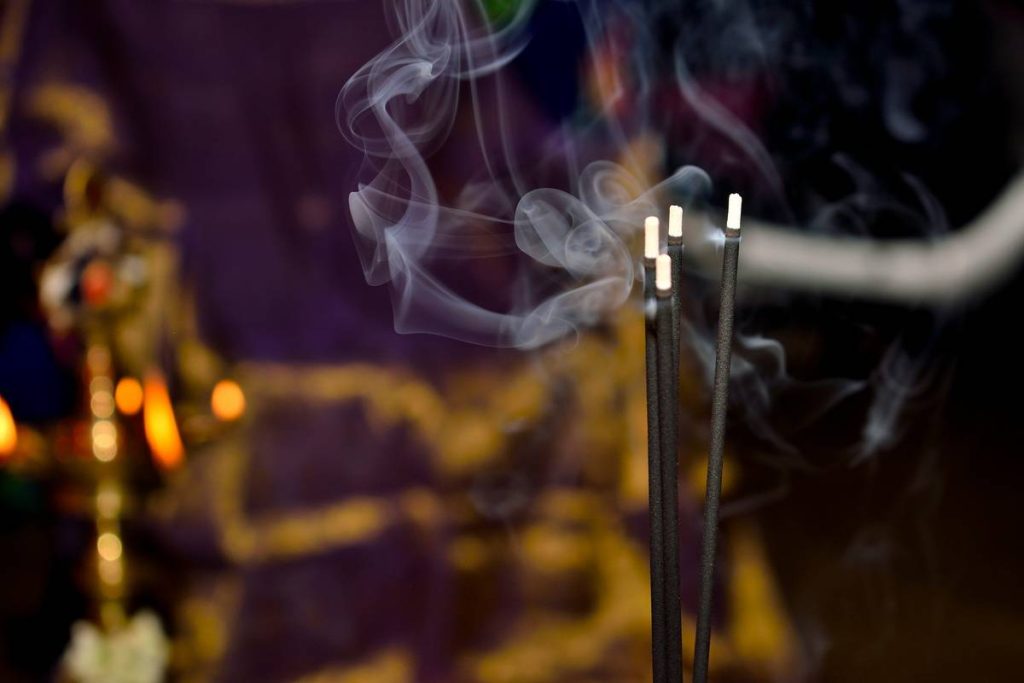
You’re overwhelmed. Your shoulders are tight, your mind races at 3 a.m., and “relaxation” feels like a myth sold by wellness influencers. Yet here you are—searching for something real. Enter incense for stress relief. Not as a gimmick. As a tool with centuries of quiet validation behind it.
Why Most People Fail at Using Incense for Stress Relief
They light a stick, expect instant zen, and walk away disappointed. That’s like lighting a match and expecting a forest fire. Incense isn’t magic—it’s ritual. And modern life has stripped us of that understanding.
The problem? Mass-market cones and synthetic fragrances dominate shelves. They smell pleasant—briefly—but lack the botanical depth that actually calms the nervous system. Worse, people use them in chaotic environments: kitchens with blaring TVs, cluttered bedrooms, or while scrolling through doomscroll feeds. The scent gets drowned out before it even registers.
Stress relief doesn’t happen in sensory chaos. It demands intentional space.
How to Use Incense for Stress Relief: A Step-by-Step Ritual That Actually Works
Forget “just burn it.” This is about creating a micro-sanctuary—even if you’ve got 7 minutes and a studio apartment.
Choose the Right Type of Incense
Natural resin-based incense—like frankincense, myrrh, sandalwood, or palo santo—contains terpenes proven to modulate cortisol. Stick to hand-rolled sticks or loose resins burned on charcoal discs. Avoid anything labeled “fragrance oil” or “parfum.”
Pair Scent with Breath
As smoke rises, inhale deeply through your nose for four counts. Hold. Exhale slowly through your mouth for six. Repeat three times. This syncs olfactory input with vagal tone—your body’s natural brake pedal for anxiety.
Control Your Environment
Dim lights. Silence notifications. Even better: face a window with natural light or a single candle flame. Your eyes need an anchor just like your breath.
| Type of Incense | Active Calming Compounds | Burn Time | Best For |
|---|---|---|---|
| Frankincense Resin | Boswellic acids, α-pinene | 20–25 min (on charcoal) | Deep meditation, PTSD support |
| Sandalwood Sticks | Santalols | 40–50 min | Evening wind-down, sleep prep |
| Palo Santo Wood | Limonene, terpenes | 10–15 min (direct flame) | Quick reset between work sessions |
| Commercial “Lavender” Cones | Synthetic linalool (often) | 25–30 min | Ambient masking—not true stress relief |
The Industry Secret: Smoke Is Just the Messenger
Here’s what nobody tells you: the real power isn’t just in the scent—it’s in the act of burning. Lighting incense forces a pause. You strike a match. Watch the ember bloom. Wait for the first wisp. In that 10-second window, your brain shifts from doing to being.
Brands won’t admit this because it can’t be bottled. But traditional Japanese kōdō ceremonies treat incense as a mindfulness gateway—not an air freshener. The fragrance matters, yes. But the ritual architecture around it? That’s where the neurochemistry flips.
And most stress-relief products skip that entirely. They sell convenience. We need presence.
Frequently Asked Questions
Does incense for stress relief really lower cortisol?
Yes—studies show natural resins like frankincense reduce salivary cortisol when used in controlled, mindful settings. Synthetic versions show negligible effects.
Can I use incense if I have asthma or allergies?
Use caution. Opt for smokeless options like essential oil diffusers with calming scents—or test tiny amounts in ventilated spaces first. Not all “natural” incense is hypoallergenic.
How often should I burn incense for stress relief?
2–3 times weekly is ideal. Daily use can desensitize your olfactory receptors. Less frequent, more intentional burns yield better results.