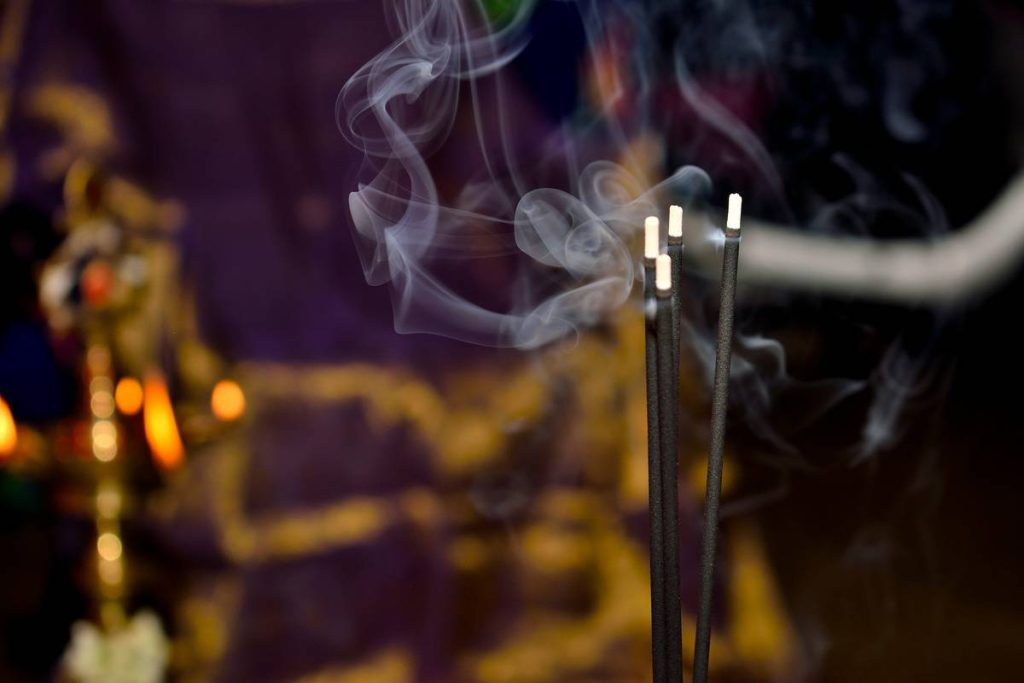
Your living room smells like a yoga studio gone wrong—overpowering, chaotic, and completely clashing with your carefully curated aesthetic. You bought designer cushions, hand-thrown ceramics, even that abstract wall art everyone compliments. But the moment you light an incense stick? The vibe collapses. Here’s the fix: treat incense not as background ambiance but as intentional incense sticks home decor.
Why Most Incense Displays Feel Cheap or Cluttered
People shove a $5 brass burner in the corner and call it “zen.” Big mistake. Incense isn’t invisible. Its smoke, vessel, and ritual demand visual harmony—or they become noise. And mass-market burners scream “afterthought,” not “curated accent.”
Think about it: Would you pair a mid-century credenza with a plastic laundry basket? No. Yet that’s precisely what happens when fragrance accessories ignore proportion, material language, and spatial rhythm.
Design-Driven Incense Integration: A Step-by-Step Guide
Match Material to Mood
Wood burners soften minimalist spaces. Ceramic grounds boho chaos. Metal adds edge to industrial lofts. Your burner should echo existing textures—not fight them.
Control Smoke Like Light
Smoke is negative space in motion. Position your incense away from vents (turbulence ruins flow) and at eye level or slightly below—never towering over seating areas. You want wisps, not clouds.
Curate the Ritual Spot
Create a dedicated zone: a small tray with your burner, matches in a matchstick holder, maybe a tiny dish for spent ash. Treat it like a mini altar. This signals intention—and stops random stick stumps from littering shelves.
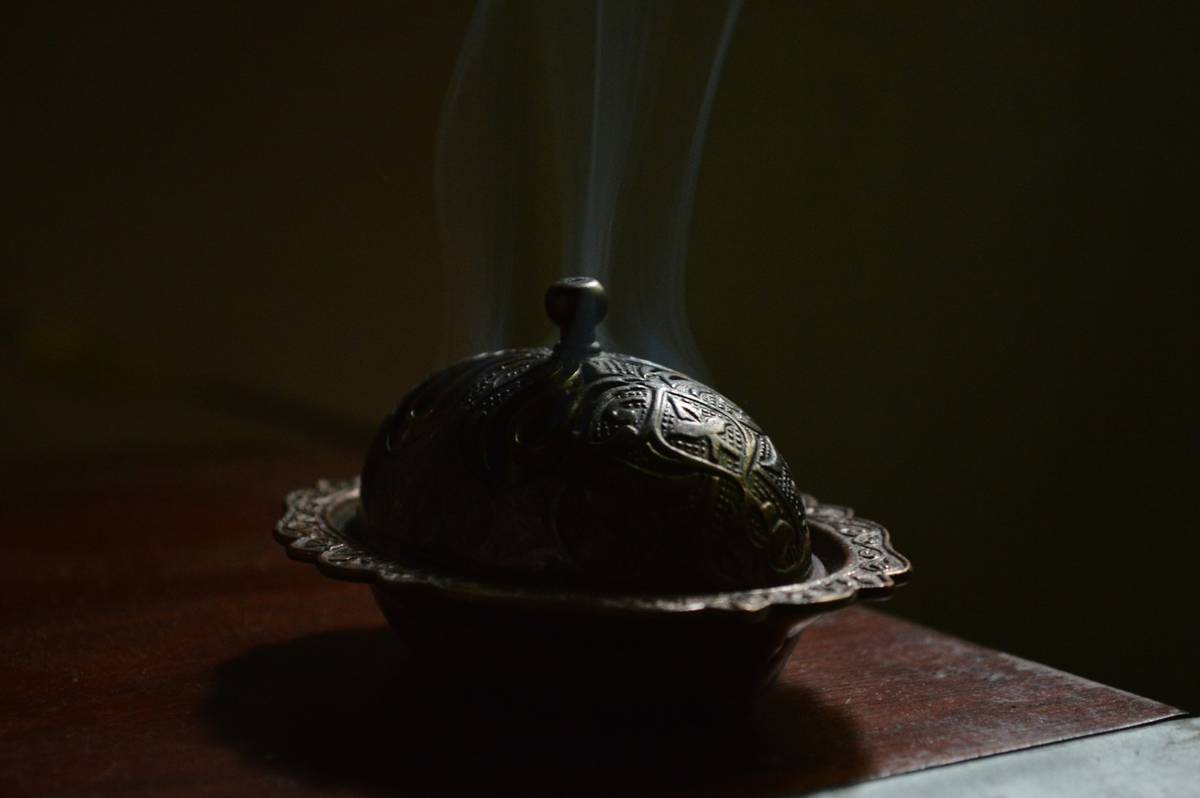
| Burner Type | Best Room Match | Price Range | Aesthetic Impact |
|---|---|---|---|
| Closed-box ceramic | Bedroom, meditation nook | $18–$45 | Subtle, serene |
| Open-brass tripod | Living room, entryway | $25–$60 | Statement piece |
| Concrete slab with groove | Modern loft, office | $30–$75 | Architectural, grounded |
| Hand-carved wood boat | Boho lounge, sunroom | $22–$50 | Organic warmth |
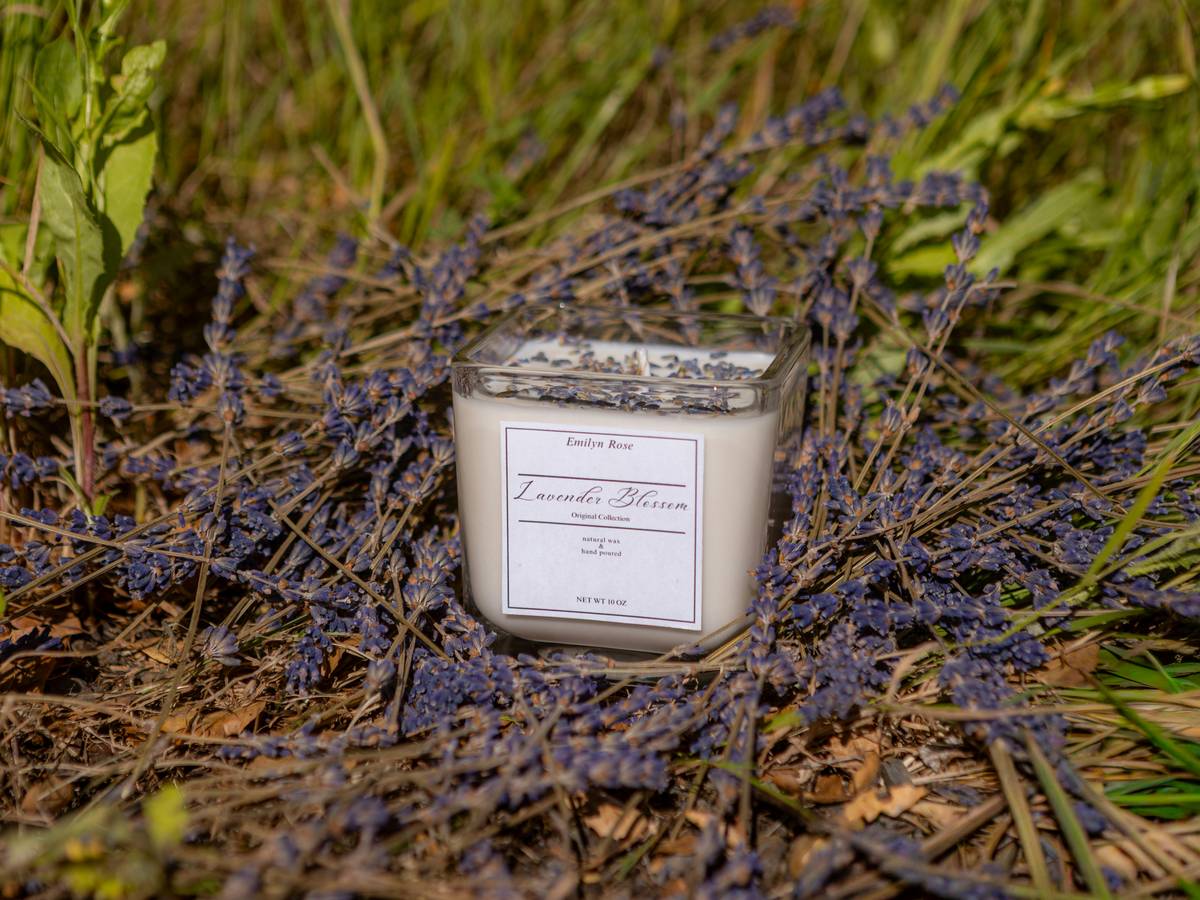
The Industry Secret: Burners Are Sculpture First, Function Second
Top interior stylists don’t shop “incense burners.” They hunt small sculpture—then adapt it. A miniature bronze bird? Drill a discreet hole in its base. A smooth river stone cluster? Nestle a stick between gaps. The best incense sticks home decor disappears as utility and emerges as art.
Here’s the reality: fragrance should enhance your space—not announce its presence like a neon sign. When your guest asks, “Is that sandalwood?” before even noticing the burner? You’ve won.
Frequently Asked Questions
Can incense sticks damage walls or paint?
No—if placed correctly. Keep burners 3+ feet from walls and never under shelves. Smoke residue builds only with poor ventilation or excessive use.
What’s the safest surface for an incense burner?
Non-flammable materials: stone, ceramic tile, metal trays. Never wood or fabric unless using a protective heat pad rated for open flame.
How often should I replace my incense burner?
Never, if it’s well-made. Quality ceramic, brass, or concrete lasts decades. Replace only if cracked, warped, or if soot buildup resists cleaning.