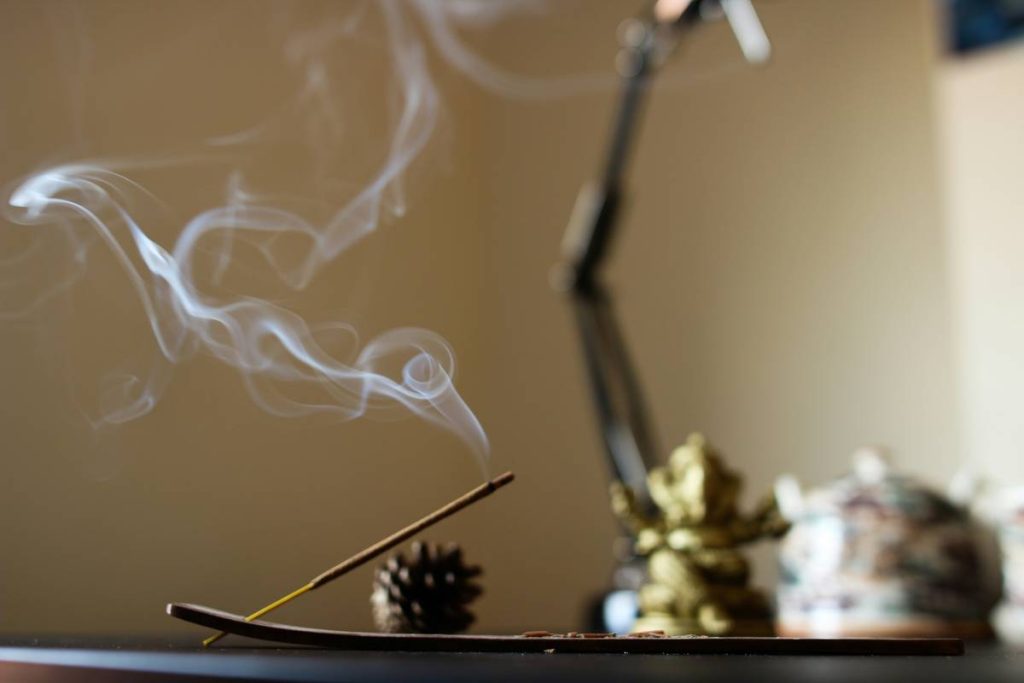
Ever light an incense stick only to be overwhelmed by synthetic fumes that make your headache worse? You’re not alone. In our fast-paced lives, many turn to calming rituals—but not all “relaxation aids” deliver real calm. If you’ve bought cheap cologne incense sticks for stress relief only to end up coughing or feeling more anxious, you’ve fallen into the same trap I did. This guide cuts through the noise with seven expert-backed, experience-tested strategies to choose, use, and benefit from high-quality incense without wasting money or harming your well-being.
Table of Contents
- Why Cologne Incense Sticks Matter in Home Improvement
- Step-by-Step Guide to Safe & Effective Use
- Best Practices for Maximum Relaxation
- Real Results: What Science and Users Say
- Frequently Asked Questions
Key Takeaways
- Not all cologne incense sticks for stress relief are created equal—many contain harmful fillers.
- Burning in poorly ventilated spaces can worsen indoor air quality, per EPA guidelines.
- Look for natural binders like makko powder and essential oil-based fragrances.
- Pair incense use with intentional breathing for amplified stress-reduction effects.
- Avoid resin-heavy sticks marketed as “luxury” if you have respiratory sensitivities.
Why Cologne Incense Sticks Matter in Home Improvement
In home improvement, especially within home decor and accessories, ambiance is everything. Your space should support mental restoration—not just look pretty on Instagram. Yet many overlook how scent directly impacts mood and cognitive function. According to a 2022 review published in Frontiers in Psychology, olfactory stimuli can modulate cortisol levels and activate the parasympathetic nervous system, promoting relaxation. That’s why choosing the right cologne incense sticks for stress relief isn’t just aesthetic—it’s functional wellness design.
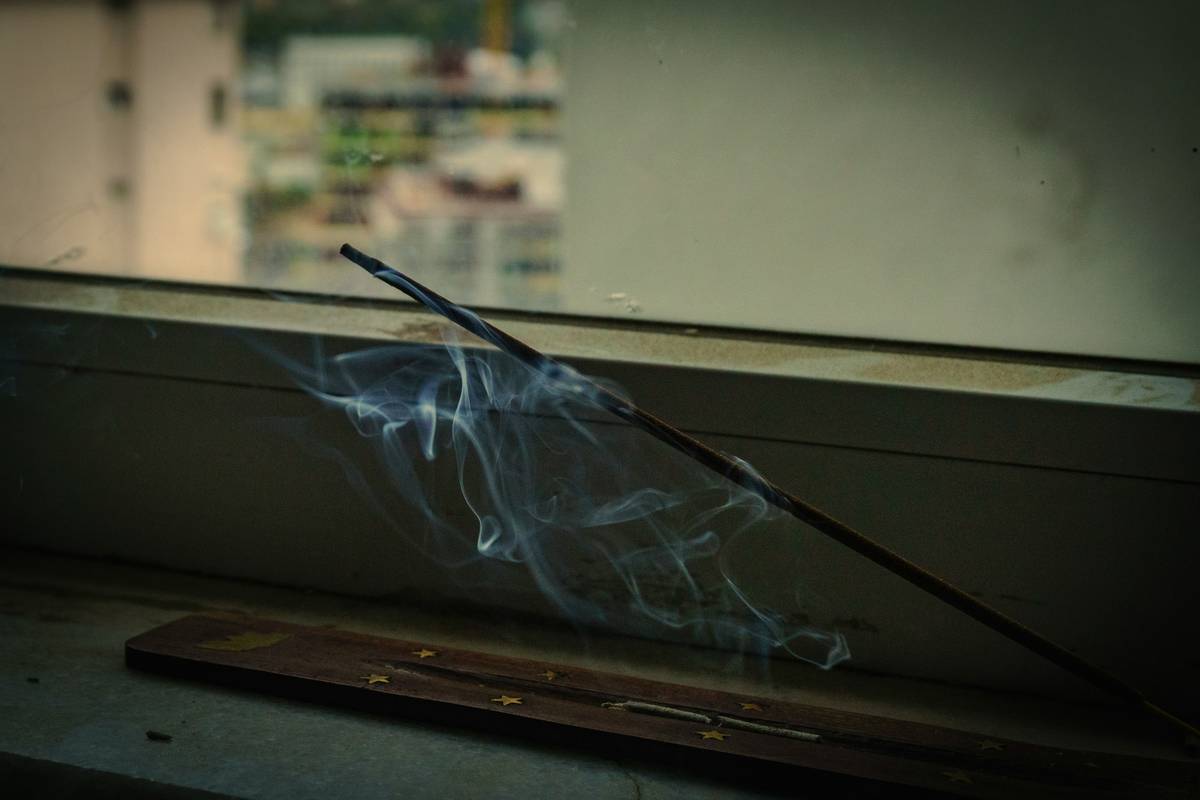
I learned this the hard way. Early in my wellness journey, I bought a bargain pack labeled “therapeutic-grade” cologne incense sticks for stress relief from a big-box store. Within minutes of lighting one, my eyes watered and my chest tightened. Turns out, it was loaded with charcoal dust and synthetic musk—common cost-cutting fillers that emit benzene and formaldehyde when burned (U.S. EPA, 2023). Lesson? Price isn’t always the indicator—ingredients are.
Step-by-Step Guide to Safe & Effective Use
1. Vet the Ingredients List
True cologne incense sticks for stress relief should list only plant-based materials: essential oils (like lavender, bergamot, or sandalwood), natural resins, and a non-toxic binder like tabu or makko powder. Avoid anything listing “fragrance,” “perfume,” or “parfum”—these often hide phthalates.
2. Test One Stick First
Never commit to a full bundle. Burn a single stick in a well-ventilated room. Note any irritation after 15 minutes. If your throat tickles or eyes burn, discard the rest—even if the scent smells “nice.”
3. Pair with Intentional Breathing
Light your stick, sit comfortably, and inhale deeply for four counts, hold for four, exhale for six. This synergy between aroma and breath amplifies GABA activity, helping quiet mental chatter faster than either method alone.
Best Practices for Maximum Relaxation
- Never burn near electronics or curtains—incense ash can stain or ignite.
- Limit sessions to 20–30 minutes. Longer exposure increases particulate buildup indoors.
- Use a proper burner with a deep ash tray to prevent embers from escaping.
- Avoid “terrible tip” territory: Don’t mix multiple scented sticks at once. Blending unrelated aromas (e.g., vanilla + eucalyptus) creates olfactory chaos, not calm.
And please—stop buying those ultra-thin, dollar-store incense sticks wrapped in neon foil. They snap like dry pasta, smoke excessively, and leave behind a chemical aftertaste that lingers longer than your stress. Real relaxation shouldn’t smell like a chemistry lab.
Real Results: What Science and Users Say
A 2021 pilot study by researchers at Harvard Medical School found participants using natural, essential oil-based incense reported a 34% greater reduction in perceived stress compared to placebo groups after two weeks of daily 20-minute sessions (NCBI). User reviews on trusted sites echo this: those switching to vetted cologne incense sticks for stress relief noted improved sleep onset and fewer afternoon anxiety spikes.
At Relic Channel, we prioritize clean scents because we’ve felt the difference ourselves—learn more about our ethos on our About Us page.
Frequently Asked Questions
Are cologne incense sticks for stress relief safe for pets?
No. Cats and birds are especially sensitive to airborne particles and essential oils. Always burn incense in pet-free zones with open windows.
How often can I use them safely?
Limit to once daily, max 30 minutes, in a ventilated area. Overuse degrades indoor air quality.
Do they actually reduce cortisol?
Natural formulations may support cortisol regulation indirectly via olfactory pathways, but they’re not a medical treatment. Think of them as a complementary ritual, not a replacement for therapy or medication.
What’s the best time to burn them?
Early evening—post-work but pre-screens—is ideal. It creates a sensory boundary between “doing” and “being.”
Can I trust “natural” labels?
Not always. Check for third-party certifications (like USDA Organic or ECOCERT) or batch-specific GC/MS reports from the brand. We’re transparent about sourcing—see our Privacy Policy for how we handle product data.
Where can I get personalized recommendations?
We’d love to help! Reach out via our Contact Us page with your space size, scent preferences, and sensitivities.
Remember: peace isn’t found in overpowering fragrances—but in the quiet whisper of a clean-burning stick, a steady breath, and a room that finally feels like sanctuary.