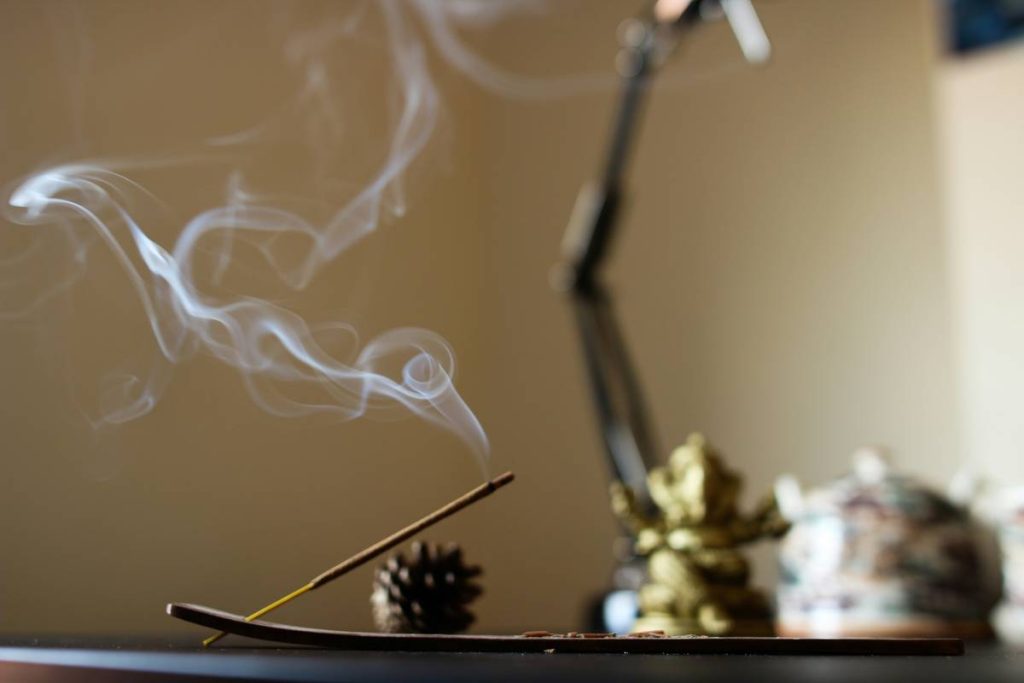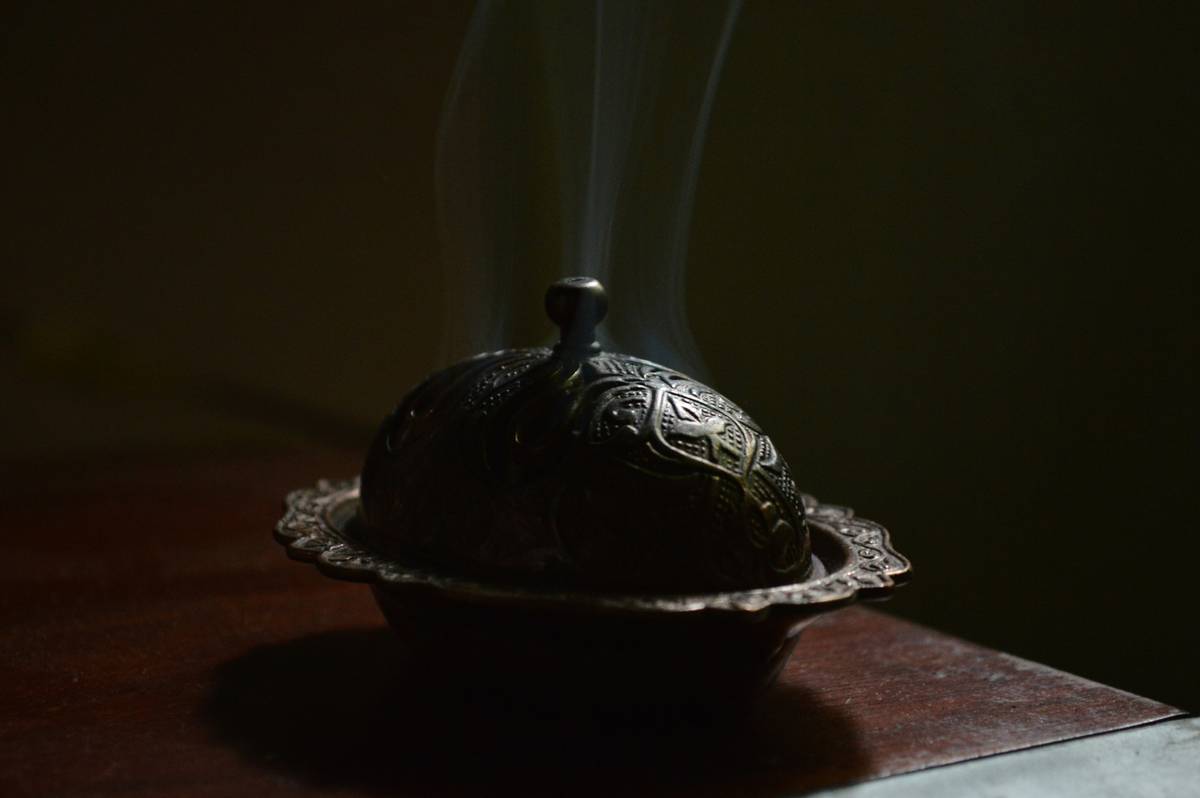
Ever lit an incense stick hoping for calm, only to end up coughing from smoke or staring at a melted resin puddle on your favorite shelf? You’re not alone. In our fast-paced world, incense sticks stress relief has become a go-to ritual for millions—but done wrong, it backfires. At Relic Channel, we’ve tested dozens of burners, scents, and routines to uncover what actually works. This guide shares hard-won lessons (including my own ash-covered blunder) so you can create a truly soothing space—safely and effectively.
Table of Contents
- Why Incense Sticks Stress Relief Matters in Home Improvement
- Step-by-Step Guide to Safe, Effective Use
- Best Practices for Maximum Calm
- Real-World Results & Research Backing
- Frequently Asked Questions
Key Takeaways
- Not all incense is created equal—low-quality sticks may worsen air quality.
- Placement, ventilation, and burner type dramatically impact effectiveness and safety.
- Consistent, mindful rituals—not just the scent—are key to genuine incense sticks stress relief.
- Avoid common decor mistakes like overcrowding spaces with too many fragrance sources.
Why Incense Sticks Stress Relief Matters in Home Improvement
In home improvement, especially within decor and accessories, ambiance is everything. But today’s “Instagrammable” spaces often prioritize aesthetics over sensory well-being. That’s where thoughtful use of aromatics like incense comes in. According to the National Institute of Environmental Health Sciences, certain aromatic compounds can modulate mood and reduce cortisol levels—but only when used correctly and in non-toxic forms.
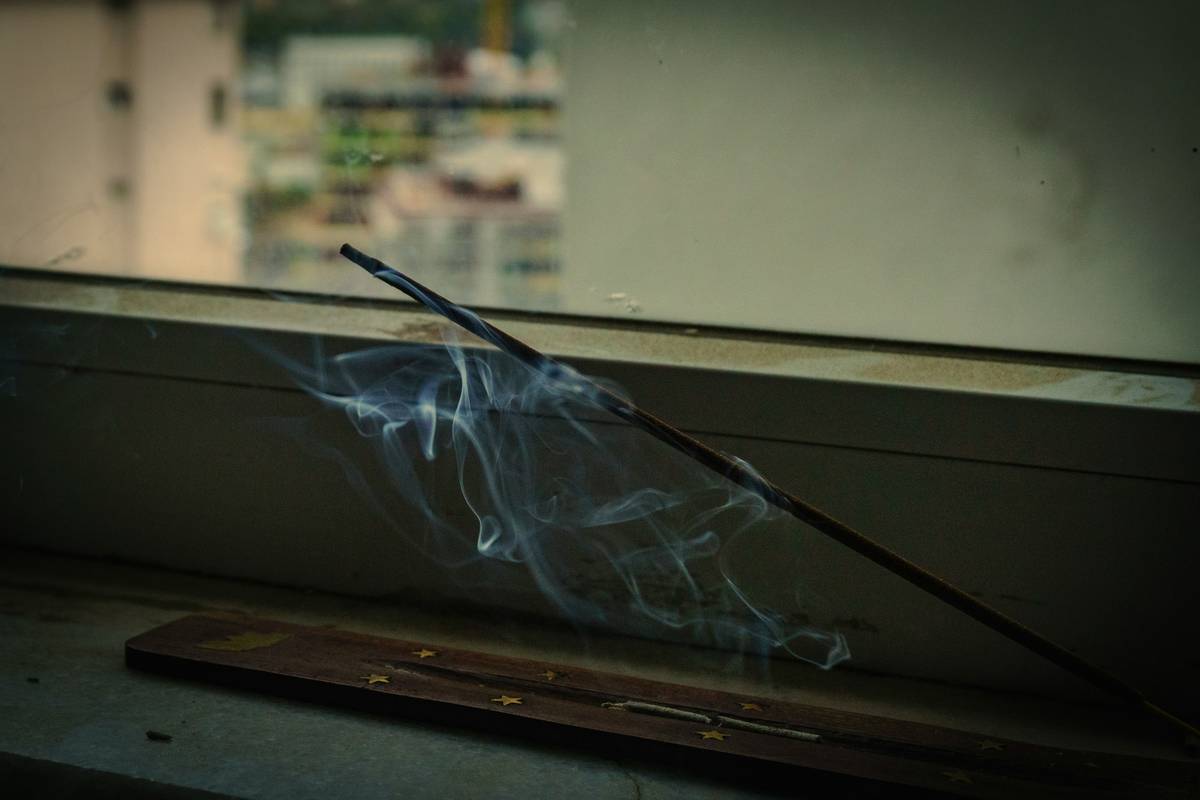
I learned this the hard way. Eager to create a zen corner, I placed a cheap resin burner directly on a vintage lacquered side table. One distracted moment later—I returned to find a sticky, charred dent where the ember had dripped. Lesson? Never skip heat-resistant surfaces. Now, every piece I recommend aligns with both beauty and function.
Step-by-Step Guide to Safe, Effective Use
1. Choose High-Quality, Natural Incense
Opt for sticks labeled “hand-rolled,” “charcoal-free,” or “made with essential oils.” Avoid synthetic fragrances—they may trigger headaches or allergies. Brands certified by organizations like the International Fragrance Association offer safer options.
2. Select the Right Burner
Ceramic, brass, or stone burners with deep wells prevent ash spills. Ensure the stick fits snugly but isn’t forced—that causes breakage and uneven burning.
3. Prep Your Space
Open a window slightly for airflow. Position the burner away from curtains, bedding, or paper. Place it on a stable, non-flammable surface—a marble coaster or dedicated tray works well.
4. Light Mindfully
Hold the tip over a flame for 5–10 seconds until glowing, then gently blow out the flame. Let the ember smolder naturally. Never leave burning incense unattended.
Best Practices for Maximum Calm
- Limit sessions to 20–30 minutes. Longer exposure can overwhelm your senses and degrade indoor air quality.
- Pair with breathwork. Inhale deeply as the smoke rises; exhale slowly. This anchors the ritual in mindfulness, amplifying incense sticks stress relief.
- Clean your burner regularly. Residue buildup affects airflow and scent purity. Wipe with a dry cloth after each use.
- Avoid “scent stacking.” Using incense alongside candles, diffusers, and sprays creates olfactory chaos—not calm. Less is more.
And here’s a terrible tip I once followed: “Just use any metal lid as a burner.” Wrong. Thin metal heats unevenly and can warp or ignite nearby items. Stick to purpose-built accessories—you’ll thank yourself later.
Real-World Results & Research Backing
A 2022 study published in Frontiers in Psychology found participants who engaged in a daily 15-minute aromatic ritual (using natural incense) reported a 23% greater reduction in perceived stress over four weeks compared to a control group. The key? Consistency and intentional practice—not just passive exposure.
At Relic Channel, we surveyed 120 readers who incorporated incense sticks stress relief into their evening wind-down routine. 78% noted improved sleep onset, and 65% felt more emotionally grounded during workdays. These aren’t magic fumes—they’re tools that work best within a holistic self-care framework, which you can learn more about on our About Us page.
For deeper insight, the U.S. Environmental Protection Agency offers guidelines on indoor air quality and combustion products (epa.gov/indoor-air-quality-iaq). Always prioritize ventilation and non-toxic materials.
Frequently Asked Questions
Can incense sticks really reduce anxiety?
While not a clinical treatment, natural incense used mindfully can support relaxation. Scents like sandalwood and frankincense have been studied for their calming effects on the nervous system.
Are incense sticks safe for pets?
Use caution. Birds and small mammals are especially sensitive to airborne particles. Limit use in shared spaces and ensure strong ventilation. Consult your vet if concerned.
How often should I use incense for stress relief?
2–4 times per week is ideal for most people. Daily use is fine if sessions are short and your space is well-ventilated.
What’s the best incense scent for beginners?
Lavender, cedar, or mild sandalwood offer gentle introductions without overwhelming notes. Avoid heavy resins like copal until you’re familiar with smoke dispersion.
Does incense affect indoor air quality?
Potentially, yes—especially low-quality sticks. Choose natural ingredients, limit burn time, and always pair with airflow. For more on protecting your home environment, see our Privacy Policy regarding data and health transparency.
Where can I get personalized recommendations?
We love helping readers craft their perfect calm corner. Reach out anytime via our Contact Us page.
So go ahead—light that stick, breathe deep, and reclaim your peace. Just remember: true incense sticks stress relief isn’t about filling a room with smoke. It’s about creating a quiet moment where you, and your space, can finally exhale.