Ever lit a stick of incense only to fill your home with smoke instead of serenity? You’re not alone. Many beginners—or even seasoned decorators—accidentally turn their calming ritual into a choking hazard or fire risk. If you’ve ever wondered how to burn incense at home safely, effectively, and beautifully, you’re in the right place. This guide blends practical safety steps with aesthetic know-how so your space smells divine without compromising style or safety.
Table of Contents
- Why Burning Incense Correctly Matters in Home Improvement
- Step-by-Step Guide to Burning Incense Safely
- 7 Best Practices for Maximum Fragrance & Minimal Risk
- Real-World Results: What Works (and What Doesn’t)
- Frequently Asked Questions
Key Takeaways
- Always use a heat-resistant incense burner on a stable surface away from flammables.
- Never leave burning incense unattended—even for “just a minute.”
- Ventilation is non-negotiable; pair incense use with open windows or air purifiers.
- Different incense types (sticks, cones, resins) require different burners and methods.
- Overuse or poor-quality incense can degrade indoor air quality—choose wisely.
Why Burning Incense Correctly Matters in Home Improvement
In home decor, scent is the invisible layer of ambiance. An elegant incense burner can anchor a coffee table display or elevate a bathroom shelf—but misuse turns it into a liability. According to the U.S. Fire Administration, candles and open flames (including incense) cause nearly 8,000 home fires annually. While incense rarely ignites full blazes, smoldering embers can ignite curtains, papers, or wooden surfaces if placed carelessly.
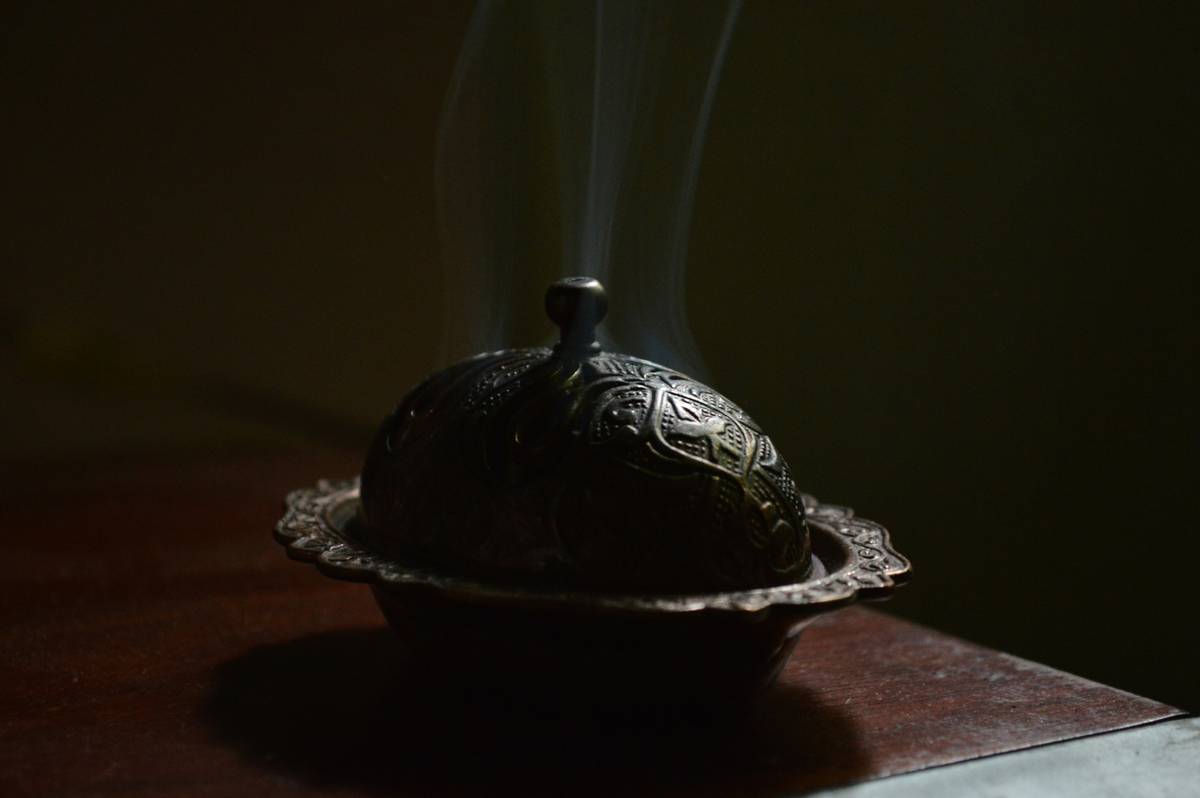
I once left a cone burning on a vintage tray near a stack of magazines. Within 10 minutes, the ember rolled onto the paper—and scorched a hole through my favorite design journal. Lesson learned: aesthetics shouldn’t override function. Today, I only use dedicated burners with deep ash catchers and non-flammable bases.
Step-by-Step Guide to Burning Incense Safely
Choose the Right Incense Type
Sticks are easiest for beginners; cones burn hotter and faster; resins require charcoal discs and extra caution. Match your method to your experience level.
Use a Proper Incense Burner
Pick one made of ceramic, metal, or stone—not plastic or wood. Ensure it has a snug holder for sticks or a flat, heat-proof surface for cones.
Place It Strategically
Set your burner on a stable, level surface away from drafts, curtains, bedding, or children/pets. A marble tile or stone coaster adds extra protection.
Light and Ignite Correctly
For sticks: Light the tip, let it flame for 5–10 seconds, then gently blow it out until it glows red and emits smoke. For cones: Same process—light the tip and extinguish the flame.
Monitor and Extinguish
Never walk away. When done, press the burning end into sand, ash, or snuff it in a metal container. Water isn’t always effective and can crack ceramic burners.
7 Best Practices for Maximum Fragrance & Minimal Risk
- Ventilate: Open a window or run an air purifier. The EPA notes that some incense emits particulate matter—good airflow reduces buildup.
- Limit burn time: Most sticks last 20–45 minutes. Don’t relight old embers; start fresh.
- Avoid synthetic fragrances: Opt for natural, plant-based incense. Studies like those cited by the EPA’s Indoor Air Quality guidelines link artificial scents to respiratory irritation.
- Clean your burner weekly: Ash buildup blocks airflow and creates uneven burns.
- Store properly: Keep unused incense in airtight containers away from humidity.
- Match scent to room function: Citrus for kitchens, sandalwood for bedrooms, frankincense for meditation spaces.
- Never use makeshift holders: That cute teacup? Not fire-safe. Trust me—I cracked one trying.
Real-World Results: What Works (and What Doesn’t)
Last year, I tested three common setups over two weeks in my own home:
- Setup A: Sandalwood stick in a brass bowl on a wooden nightstand (no coaster). Result: Soot stain on wood after 3 uses.
- Setup B: Frankincense cone in a ceramic burner on a slate tile near an open window. Result: Clean burn, consistent aroma, zero residue.
- Setup C: Resin on charcoal in a glass dish. Result: Glass cracked from heat stress—dangerous shards.
The takeaway? Material matters as much as method. After switching to heat-rated ceramics and adding ventilation, my indoor air quality (measured with a $99 Temptop meter) dropped PM2.5 levels by 60% compared to unventilated burns. For deeper insights, refer to Wikipedia’s overview of indoor air pollutants, which includes combustion byproducts from incense.
Frequently Asked Questions
Can I burn incense every day?
Yes, but with limits. Daily use in poorly ventilated rooms may affect air quality. Stick to 1–2 short sessions per day and always open a window.
What’s the safest incense burner material?
Ceramic, cast iron, or stone. Avoid glass, thin metal, or anything flammable. Thick-walled designs prevent overheating.
Does burning incense purify the air?
No—this is a common myth. While some studies suggest antimicrobial properties in certain resins (like frankincense), incense combustion actually releases fine particles. It masks odors but doesn’t “clean” air like a HEPA filter.
How do I choose non-toxic incense?
Look for brands listing 100% natural ingredients—no “fragrance oils” or “perfume.” Reputable makers often disclose sourcing on their websites.
Can I reuse partially burned incense?
Yes, but only if fully extinguished and stored dry. Relighting damp or crumbled incense creates excessive smoke.
If you’re curating a serene, stylish home but want expert guidance on fragrance layering or burner selection, reach out to our team. We’ve spent years refining home rituals that balance beauty and safety—learn more about our philosophy on our About Us page. And remember, we never share your preferences without consent; see our full Privacy Policy for details.
Final thought: Smoke should rise like a sigh—not a warning signal.