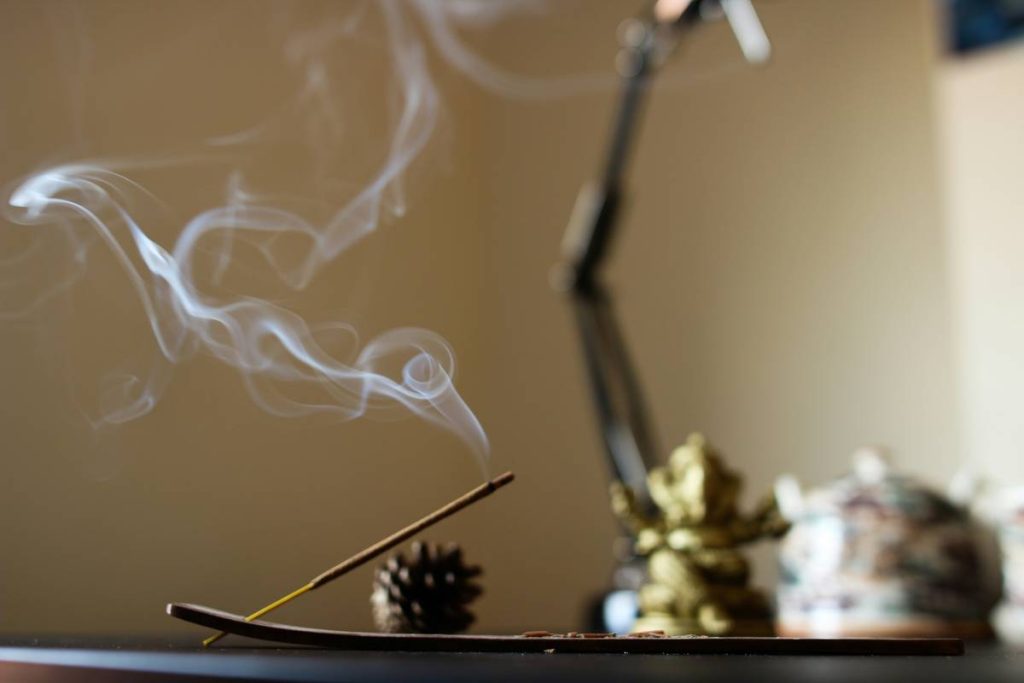
You light a stick, wait for the smoke to curl upward—and still feel tense. Most “relaxing” herbal incense on shelves is little more than scented sawdust with synthetic binders that do nothing but irritate your sinuses. The frustration? You’re chasing calm but getting chemical fog. Real herbal incense for relaxation isn’t about aroma alone—it’s about intention, composition, and combustion chemistry most brands ignore.
Why Your Current Incense Isn’t Cutting Through the Stress
Big-box incense prioritizes shelf life over efficacy. They load formulas with potassium nitrate to keep sticks burning long after you’ve left the room—great for manufacturers, terrible for your nervous system. And those “herbal blends”? Often 80% filler (bamboo core, charcoal dust) with just a dusting of essential oils sprayed on post-production.
Worse, many consumers mistake intensity for quality. A thick plume ≠ deeper calm. In fact, overly dense smoke can trigger headaches and sensory overload—exactly the opposite of relaxation.
How to Choose & Use Herbal Incense for Relaxation That Truly Works
Forget lighting whatever’s cheapest at the store. Precision matters. Here’s how to curate your own ritual:
Source Single-Origin Botanicals
Mixing too many herbs dilutes therapeutic intent. Lavender calms. Frankincense grounds. Sandalwood centers. Pick one primary herb—not a cocktail labeled “zen blend.” Purity amplifies effect.
Avoid Charcoal-Based Cones
They burn hotter, releasing volatile compounds that overwhelm delicate terpenes in herbs. Stick to hand-rolled, gum-resin-based formats like makko powder blends—they smolder cooler, preserving aromatic integrity.
Pair with Breathwork Timing
Light your incense, then inhale for four counts, hold for seven, exhale for eight. Sync the smoke’s rise with your rhythm. Suddenly, it’s not background scent—it’s biofeedback.
| Type | Combustion Temp | Active Compounds Preserved? | Best For |
|---|---|---|---|
| Charcoal cones | High (500°F+) | No | Ambient fragrance only |
| Makko-based sticks | Low–moderate (250–350°F) | Yes | Herbal incense for relaxation |
| Loose resin on charcoal disc | Variable (depends on disc) | Partially | Ritual use (requires attention) |
| Electric vaporizers | Precise (adjustable) | Fully | Clinical aromatherapy (not traditional) |
The Industry Secret: Burn Time Dictates Bioavailability
Here’s what no label tells you: the sweet spot for neuro-calming compounds like linalool (in lavender) or incensole acetate (in frankincense) is released between minutes 3 and 7 of burn time. Before that? Mostly solvent evaporation. After? Pyrolysis degrades actives into inert ash.
But most people light incense while multitasking—distracted, scrolling, cooking. By the time they notice the smoke, peak therapeutic window has passed. The fix? Treat lighting as an act, not an afterthought. Set a timer. Sit. Breathe. Let the first two minutes clear the air—then lean in when the real chemistry begins.
Frequently Asked Questions
Is herbal incense safe to breathe daily?
In moderation—with clean-burning, additive-free blends—yes. Avoid anything listing “fragrance” or “perfume” on the label.
Can herbal incense replace meditation?
No. It’s a sensory anchor, not a substitute. Think of it as kindling for stillness—not the fire itself.
Why does my incense give me a headache?
Likely due to synthetic binders or excessive smoke density. Switch to low-temp, single-herb makko sticks and ventilate your space.